The Growing Concern
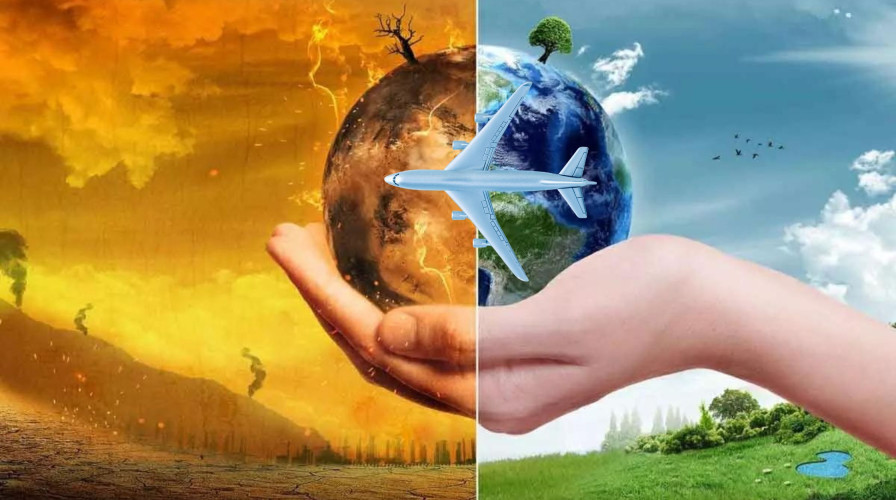
Climate change is no longer a distant threat—its impacts are being felt across the globe, including in some of the world’s most beloved travel destinations. From rising sea levels to unpredictable weather patterns, these changes are not only affecting local communities but also the millions of tourists who flock to these areas every year. This article explores how climate change is reshaping popular travel destinations and what this means for the future of tourism.
Rising Sea Levels: Coastal Destinations at Risk
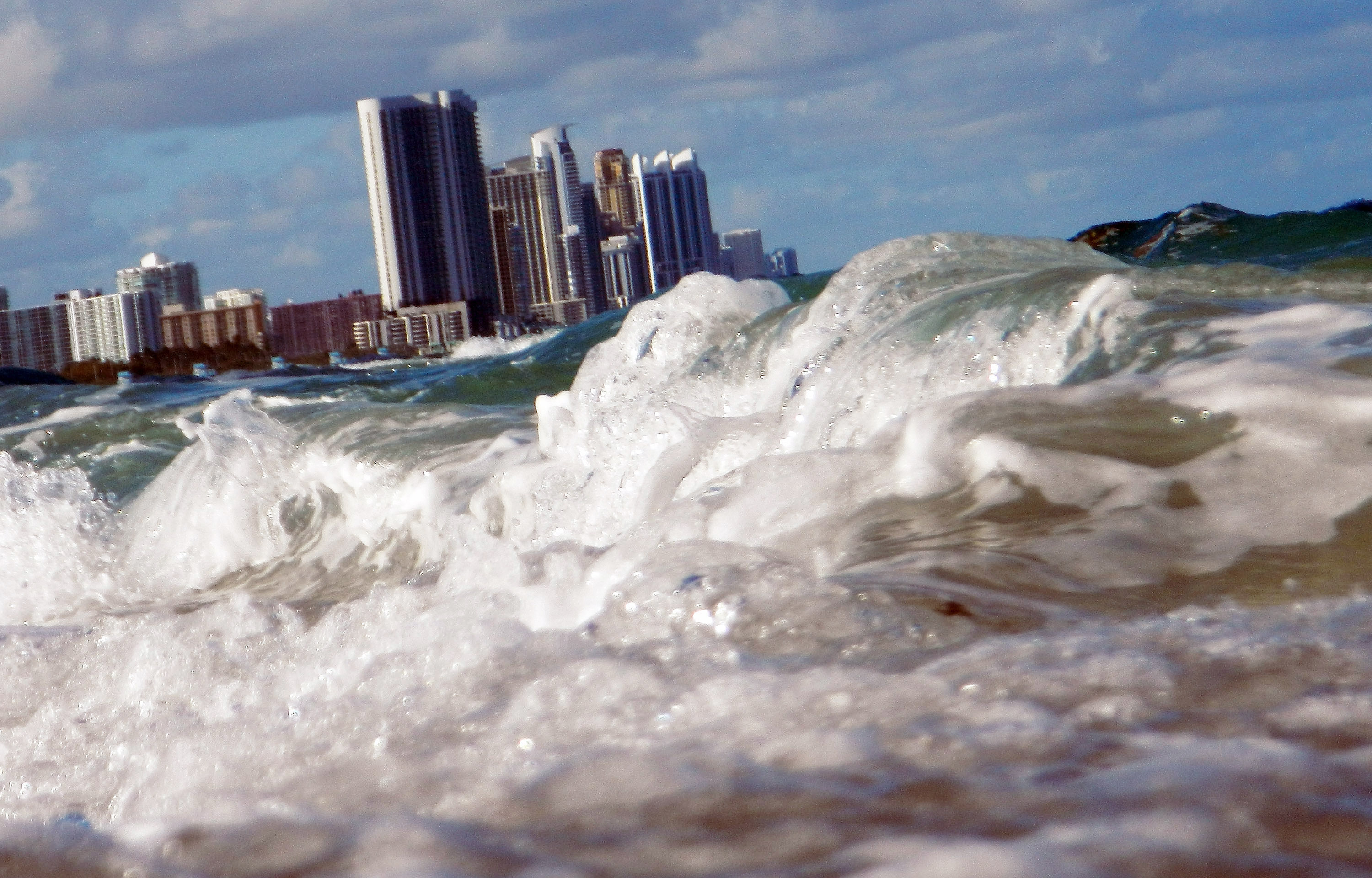
Coastal regions are among the most vulnerable to the effects of climate change. Many popular beach destinations, such as the Maldives, Miami, and the Great Barrier Reef, are facing the threat of rising sea levels. In the Maldives, for instance, entire islands could be submerged within the next few decades if current trends continue. The erosion of beaches, increased flooding, and the destruction of coral reefs are not only impacting the natural beauty of these areas but also the livelihoods of those who depend on tourism.
Melting Glaciers: The Fate of Alpine Resorts
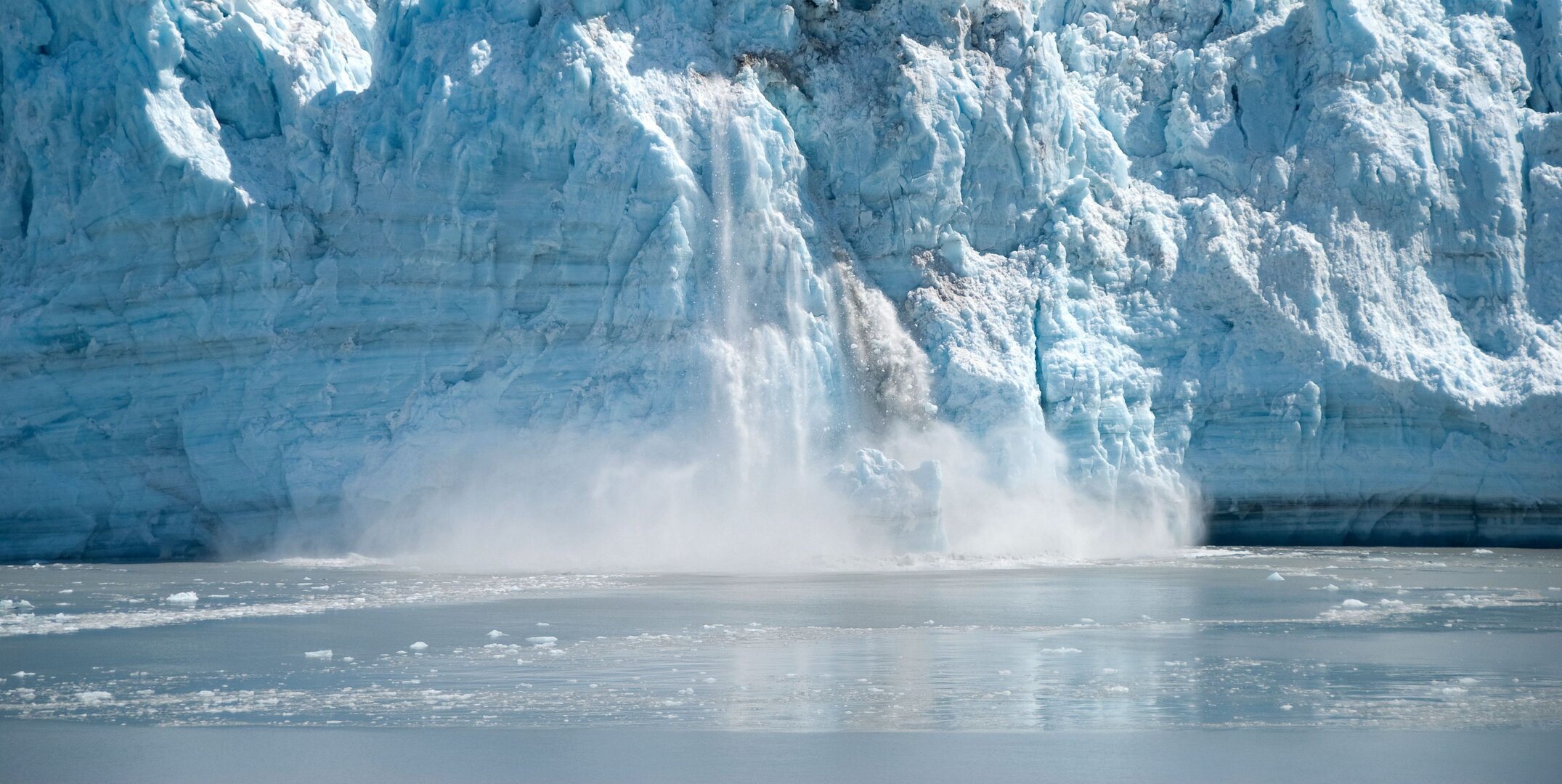
Glacier retreat is another alarming consequence of climate change, particularly in alpine regions like the Swiss Alps and Patagonia. These glaciers, which have been popular with tourists for decades, are shrinking at an unprecedented rate. As the ice melts, it not only alters the landscape but also reduces opportunities for activities like skiing and glacier hiking. This decline in winter tourism is a significant concern for local economies that rely heavily on the seasonal influx of visitors.
Changing Weather Patterns: The Unpredictable Seasons
Unpredictable weather patterns are making it increasingly difficult for travelers to plan their trips. Destinations that once had well-defined seasons are now experiencing irregular weather, such as unseasonal rains in tropical regions or extended droughts in areas that typically receive ample rainfall. This unpredictability is not only affecting the tourist experience but also straining the resources of destinations that are unprepared for such changes.
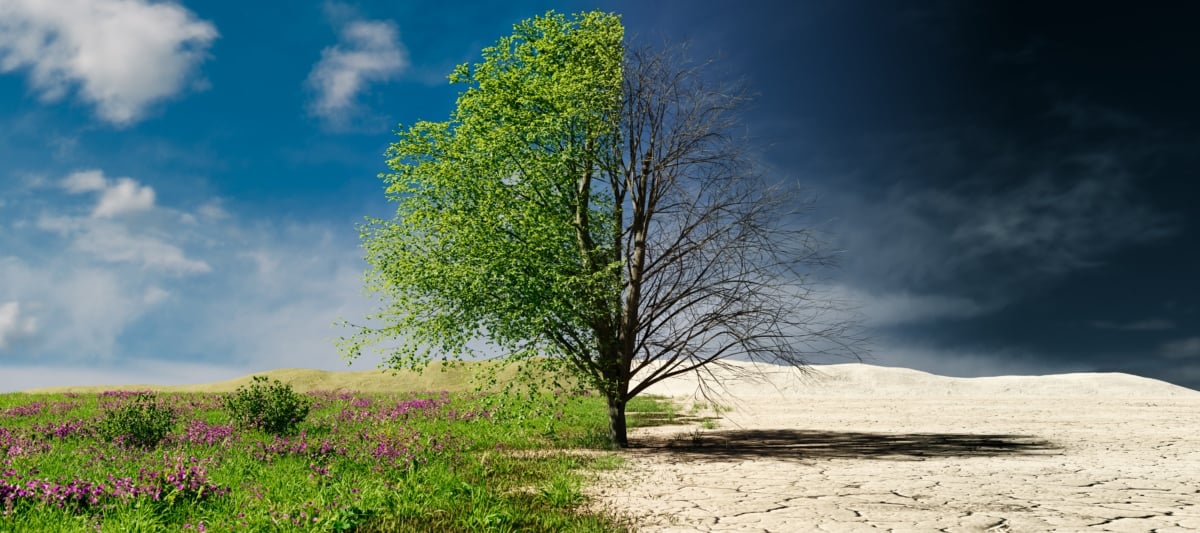
Wildfires and Heatwaves: The New Normal in Popular Regions
The frequency and intensity of wildfires and heatwaves have increased dramatically in recent years, posing a significant threat to destinations like California, Australia, and southern Europe. These natural disasters not only endanger lives but also lead to the destruction of infrastructure, natural parks, and historical sites. The aftermath of such events often results in a sharp decline in tourist numbers, further impacting the local economy.

Impact on Wildlife: A Shift in Biodiversity
Climate change is also affecting the biodiversity of popular wildlife destinations. Changes in temperature and weather patterns are altering habitats, leading to shifts in species distribution. For example, the migration patterns of animals in Africa’s savannahs are changing, making it harder for tourists to witness these natural spectacles. Similarly, the warming of oceans is causing coral bleaching, threatening the vibrant marine life that attracts divers and snorkelers.

Sustainable Tourism: A Path Forward
As the impacts of climate change become more apparent, there is a growing emphasis on sustainable tourism. Travelers are increasingly seeking out eco-friendly accommodations, supporting local conservation efforts, and opting for experiences that have a lower environmental impact. Destinations are also beginning to implement measures to mitigate the effects of climate change, such as building resilient infrastructure and promoting off-season tourism to reduce strain on resources.
The Future of Travel in a Changing Climate
The impact of climate change on popular travel destinations is undeniable and poses significant challenges for the future of tourism. As travelers, it is crucial to be aware of these changes and make informed choices that support the sustainability of the destinations we cherish. While the road ahead is uncertain, there is hope that through collective efforts, we can preserve these beautiful places for future generations to explore and enjoy.
Related Tag :